A Complete Beginner’s Guide to Getting Started with Trezor
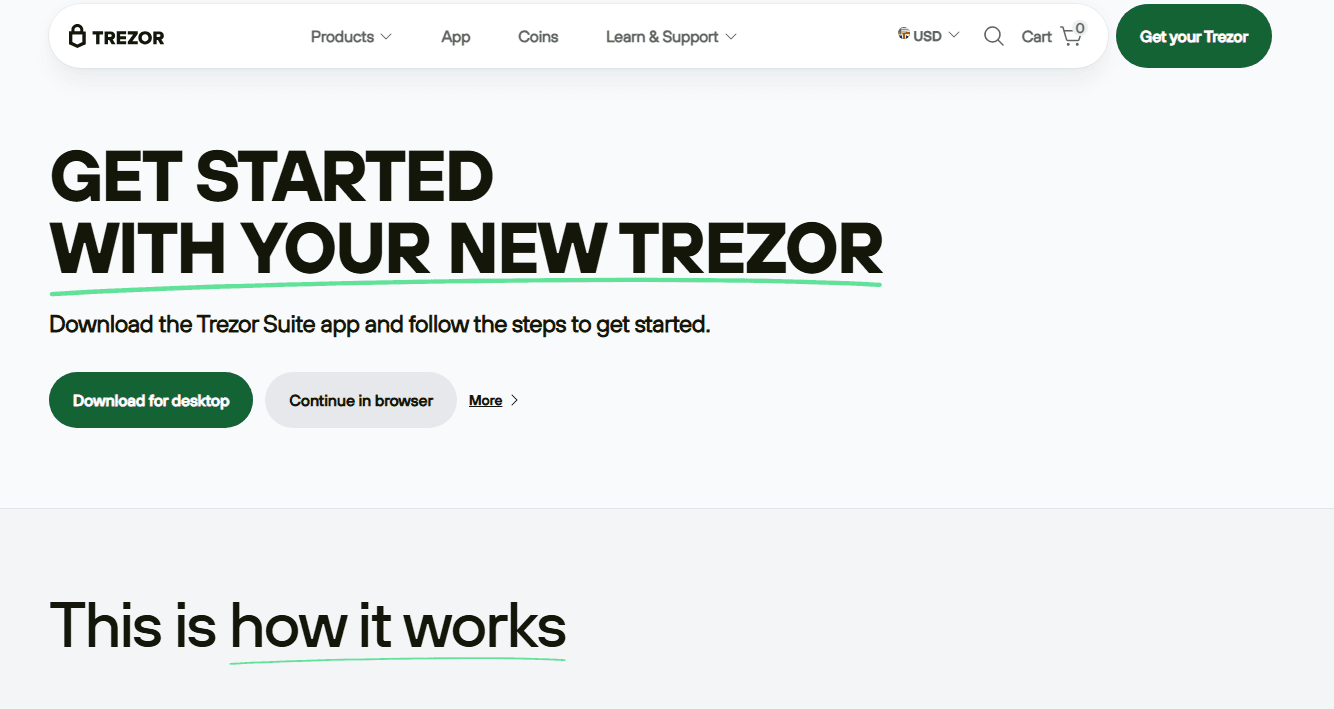
As cryptocurrency becomes increasingly popular, securing your digital assets is more important than ever. Unlike traditional bank accounts, cryptocurrencies are fully under the user’s control. While this offers financial freedom, it also comes with responsibility: losing your private keys or having them stolen can lead to permanent loss. Trezor, a pioneering hardware wallet provider, offers a secure solution for managing cryptocurrency safely. Trezor.io/start is the official entry point for new users, guiding them through setup, wallet management, and security protocols.
This guide will walk you through everything you need to know to get started with Trezor, including device selection, initialization, software installation, account management, essential security features, troubleshooting, and best practices for long-term use.
Understanding Trezor and Its Importance
Trezor is a hardware wallet that stores cryptocurrency private keys offline. Unlike software wallets or exchange wallets, Trezor keeps keys disconnected from the internet, dramatically reducing the risk of hacks. Its devices, such as the Trezor Model One and Trezor Model T, allow secure transactions while keeping your assets safe. Trezor Suite, the companion application, provides a user-friendly interface to monitor balances, manage accounts, and authorize transactions.
Trezor.io/start serves as a step-by-step guide for first-time users, helping them set up their wallets correctly and understand the importance of security. By following the instructions, users gain confidence in managing digital assets securely.
Step 1: Choosing the Right Trezor Device
Trezor offers two primary devices:
Trezor Model One – Perfect for beginners or casual users. It is cost-effective, compact, and supports a wide range of popular cryptocurrencies.
Trezor Model T – Geared toward advanced users. It features a touchscreen, expanded storage, and supports a larger selection of cryptocurrencies.
The choice of device depends on your needs. Consider the number of cryptocurrencies you plan to manage, whether you prefer mobile access, and your budget. Trezor.io/start provides guidance to help make this decision easier.
Step 2: Unboxing and Checking Authenticity
When you receive your Trezor device, verify its authenticity before using it. Trezor devices come in tamper-evident packaging to ensure they have not been compromised. Carefully inspect the box, security seals, and contents. Only use official devices purchased from trusted sources. Using a compromised device can expose your funds to theft or loss.
Step 3: Initializing Your Trezor Wallet
Initializing your Trezor device is the most critical step in securing your cryptocurrency:
Power On the Device – Connect it to your computer or mobile device and follow the on-screen instructions.
Set a PIN Code – Choose a secure PIN (usually 4–8 digits). This PIN protects your wallet from unauthorized access if the device is lost or stolen. Avoid predictable numbers like birthdays or simple sequences.
Write Down the Recovery Seed – Trezor generates a 12-, 18-, or 24-word recovery seed. This is the key to restoring your wallet in case the device is lost or damaged. Write it on paper and store it securely offline. Never save it digitally or share it with anyone.
Following these steps ensures your private keys remain protected while giving you a secure backup to restore your wallet.
Step 4: Installing Trezor Suite
Trezor Suite is the software interface used to manage accounts and interact with your Trezor wallet. The installation process includes:
Downloading the Application – Install Trezor Suite on a secure computer or mobile device.
Connecting Your Device – Use a USB cable to connect the Trezor wallet.
Adding Cryptocurrency Accounts – Set up accounts for the cryptocurrencies you intend to manage. Trezor Suite supports a wide variety of coins and tokens.
Syncing with the Blockchain – Trezor Suite retrieves account balances and transaction histories from the blockchain, providing a comprehensive view of your portfolio.
It’s important to note that Trezor Suite does not store private keys. These remain on the hardware wallet, ensuring that your assets are protected from malware or hacks on your computer.
Step 5: Managing Cryptocurrency Accounts
Once your device and Trezor Suite are ready, you can begin managing your cryptocurrency:
Receiving Funds – Trezor Suite generates a unique address for each account. Always verify the address on your Trezor device before sharing or sending funds.
Sending Funds – Outgoing transactions must be manually confirmed on the Trezor device. This prevents malware from initiating unauthorized transfers.
Tracking Balances – Trezor Suite provides real-time updates on account balances and transaction history.
Managing Multiple Cryptocurrencies – Trezor supports numerous cryptocurrencies, enabling you to manage several assets in one convenient interface.
This approach allows you to control your digital assets securely while maintaining visibility over your portfolio.
Step 6: Understanding Key Security Features
Trezor devices offer multiple security measures to protect your cryptocurrency:
Offline Private Keys – Keys never leave the device, reducing exposure to online threats.
PIN Protection – A strong PIN prevents unauthorized access.
Recovery Seed – The recovery seed allows wallet restoration in case of loss, theft, or device failure.
Transaction Verification – All transactions require manual approval on the device.
Trezor Suite Security – The software checks firmware integrity, device authenticity, and transaction legitimacy.
Understanding and using these security features correctly is essential for long-term cryptocurrency safety.
Step 7: Troubleshooting Common Issues
Even with proper setup, users may encounter problems:
Device Not Detected – Check USB connections, update Trezor Suite, or ensure your firmware is current.
Forgotten PIN – Entering the wrong PIN multiple times locks the device. The recovery seed will be required to restore access.
Software Errors – Reinstalling or updating Trezor Suite often resolves synchronization or connectivity issues.
Lost Recovery Seed – Losing the seed means you cannot recover your wallet if the device is lost or damaged. Always store it securely offline.
Being aware of these issues and how to resolve them ensures a smooth experience.
Step 8: Mobile Access and Flexibility
Trezor Suite offers mobile access, making cryptocurrency management more flexible:
Monitor balances and portfolio performance on the go
Approve transactions securely from your device
Receive real-time transaction notifications
Use biometric authentication for added convenience
Mobile access provides flexibility while maintaining the security of offline private keys.
Step 9: Best Practices for Safe Usage
To maximize security and protect your cryptocurrency:
Keep your Trezor device offline when not in use.
Store your recovery seed offline in a secure location.
Use a strong, unique PIN.
Update Trezor Suite and firmware regularly.
Verify every transaction directly on the Trezor device before confirming.
Avoid public Wi-Fi when managing cryptocurrency.
Be vigilant against phishing and always follow official instructions from Trezor.io/start.
Following these best practices ensures your assets remain safe and under your control.
Step 10: Benefits of Using Trezor.io/start
Starting with Trezor.io/start offers several advantages:
Step-by-step guidance for beginners
Secure wallet setup and Trezor Suite installation
Emphasis on security best practices
Support for multiple cryptocurrencies in a single interface
Confidence that your private keys remain offline and protected
By following the official guide, beginners can establish a strong foundation for managing cryptocurrency securely.
Conclusion
Trezor.io/start provides an essential roadmap for anyone entering the cryptocurrency world. By walking users through device selection, initialization, Trezor Suite setup, account management, and security best practices, Trezor ensures that digital assets are well protected. Hardware wallets like Trezor combine offline key storage, PIN protection, recovery seeds, and transaction verification to create one of the safest ways to manage cryptocurrency.
Correct setup is critical. From device initialization and recovery seed storage to transaction verification and software updates, each step contributes to securing your digital assets. By following the instructions on Trezor.io/start, beginners can confidently navigate the cryptocurrency ecosystem while keeping their funds secure and accessible only to themselves.