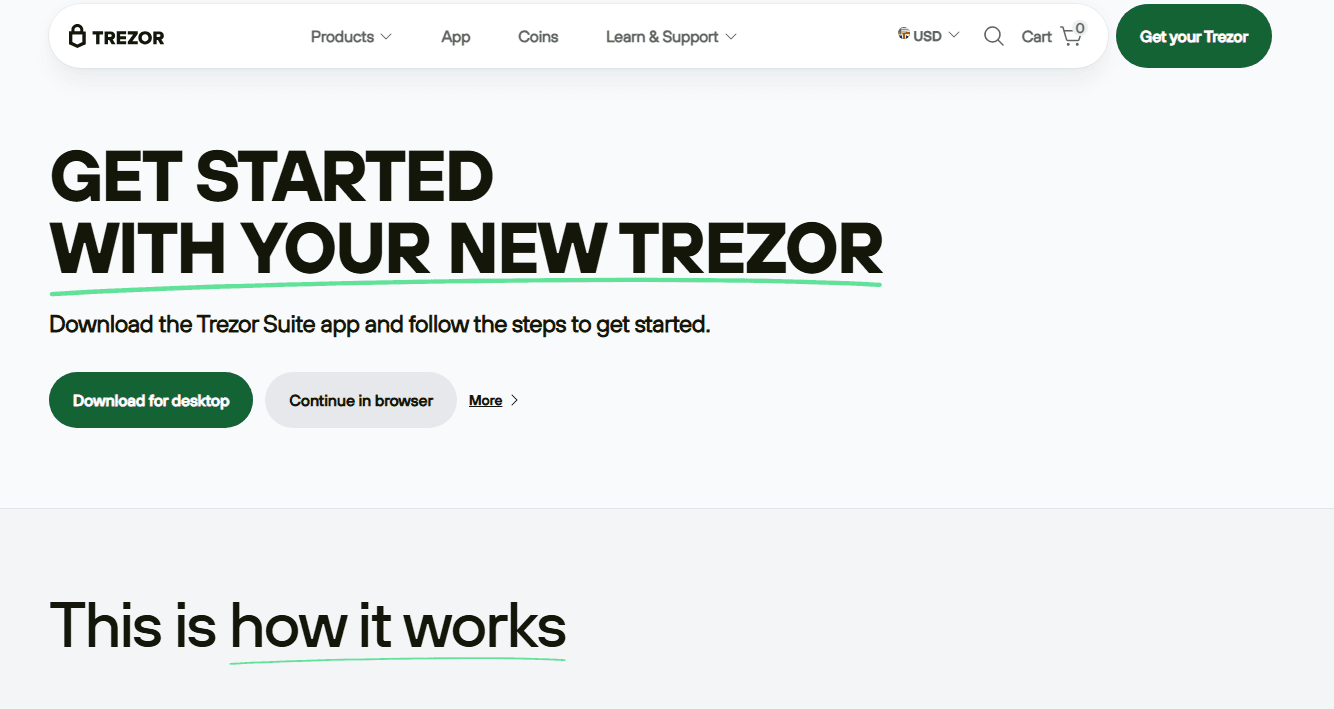
Getting Started with Trezor: A Complete Guide
Cryptocurrency has revolutionized the way people think about money, offering opportunities for investment, global transactions, and financial independence. However, managing digital assets comes with unique security challenges. Unlike traditional bank accounts, cryptocurrency wallets give users full control over their funds, meaning lost access or exposed private keys can lead to permanent loss. Trezor, one of the pioneering hardware wallet providers, offers a secure solution for storing and managing cryptocurrencies. Trezor.io/start is the official starting point for new users to begin their journey, guiding them through setup, security protocols, and wallet management.
This guide walks you through everything a beginner needs to know, from selecting the right Trezor device to initializing it, installing Trezor Suite, managing cryptocurrency accounts, understanding essential security features, troubleshooting, and following best practices for long-term safety.
Introduction to Trezor
Trezor is a hardware wallet that stores private keys offline, protecting your cryptocurrency from hacking and malware attacks. Its devices, such as the Trezor Model One and Model T, are designed to provide users with secure access to their digital assets while allowing easy management through Trezor Suite, the companion software. Trezor.io/start serves as the official guide for first-time users, helping them set up their hardware wallet correctly and understand the security measures necessary to protect their funds.
Unlike online wallets or exchange wallets, Trezor ensures that private keys never leave the device. This offline storage is critical for safeguarding assets, and Trezor.io/start provides detailed instructions to help users make the most of these security features.
Step 1: Choosing the Right Trezor Device
Trezor offers two main devices:
Trezor Model One – Ideal for beginners. It is cost-effective, compact, and supports a wide range of popular cryptocurrencies.
Trezor Model T – Suitable for advanced users. It features a touchscreen, enhanced storage, and additional cryptocurrency support.
Choosing the right device depends on your goals and usage patterns. Consider how many cryptocurrencies you plan to manage, whether you prefer mobile access, and your budget. Trezor.io/start provides guidance to help you make an informed decision.
Step 2: Unboxing and Verifying Authenticity
When your Trezor device arrives, it is important to verify its authenticity. Trezor packages are tamper-evident to ensure that devices have not been compromised. Inspect the box and device carefully, ensuring that the security seals are intact. Using only official devices purchased from trusted sources is essential, as tampered hardware can expose your funds to risk.
Step 3: Initializing Your Trezor Wallet
Initializing your Trezor device is the most critical step in securing your cryptocurrency. The process includes:
Powering On the Device – Connect your Trezor device to your computer or mobile device and follow the on-screen instructions.
Creating a PIN – Set a secure PIN that is required each time you access the wallet. This PIN prevents unauthorized access even if someone physically possesses your device. Avoid predictable numbers like birthdays or repetitive sequences.
Recording the Recovery Seed – Trezor generates a 12-, 18-, or 24-word recovery seed depending on the device. This seed is your ultimate backup for restoring your wallet if the device is lost or damaged. Write it down carefully and store it offline in a secure location. Never save it digitally or share it with anyone.
The initialization process ensures that your private keys remain protected, and that you have a secure method for recovering access if the hardware is ever compromised.
Step 4: Installing Trezor Suite
Trezor Suite is the software interface that allows you to manage your cryptocurrency accounts, track balances, and perform transactions. Installing Trezor Suite involves:
Downloading and Installing the Software – Ensure your computer or mobile device is secure and free from malware.
Connecting Your Device – Use a USB cable to connect your Trezor wallet to your device.
Adding Accounts – After connecting, add cryptocurrency accounts for the assets you plan to manage. Trezor Suite supports a wide range of cryptocurrencies, providing a unified interface for all your assets.
Synchronizing with the Blockchain – Trezor Suite communicates securely with the blockchain to display balances, transaction history, and portfolio performance.
Trezor Suite does not store private keys; they remain on the Trezor hardware wallet, ensuring your funds are protected from online threats.
Step 5: Managing Cryptocurrency Accounts
After setup, Trezor Suite allows you to manage your cryptocurrency safely:
Receiving Cryptocurrency – Trezor Suite generates unique addresses for each account. Always verify addresses on the device screen before sending cryptocurrency.
Sending Cryptocurrency – All outgoing transactions require manual approval on the Trezor device, preventing malware from initiating unauthorized transfers.
Tracking Balances – Trezor Suite provides real-time portfolio tracking and transaction history.
Managing Multiple Assets – You can hold and manage multiple cryptocurrencies in one interface, making it convenient for users with diverse portfolios.
Step 6: Key Security Features
Trezor devices offer multiple layers of security to protect your assets:
Offline Private Keys – Keys never leave the device, preventing online exposure.
PIN Protection – A strong PIN is required to unlock the device.
Recovery Seed – The recovery seed allows you to restore your wallet if the device is lost, stolen, or damaged.
Transaction Verification – Every transaction must be manually approved on the Trezor device.
Trezor Suite Security – The software verifies operations, firmware updates, and device integrity, adding an additional layer of protection.
Understanding these features is crucial for keeping your cryptocurrency safe.
Step 7: Troubleshooting Common Issues
Even with a secure setup, users may encounter occasional problems:
Device Not Detected – Check USB connections, update Trezor Suite, or ensure your firmware is current.
Forgotten PIN – Entering the wrong PIN multiple times may lock the device. You will need your recovery seed to restore access.
Software Errors – Reinstalling or updating Trezor Suite often resolves connection or synchronization problems.
Lost Recovery Seed – Without the seed, you cannot recover funds if the device is lost. Secure offline storage is essential.
Step 8: Mobile Access and Flexibility
Trezor Suite also provides mobile access:
Manage accounts and balances on the go
Approve transactions securely
Monitor your portfolio in real time
Biometric options for added convenience
Mobile access offers flexibility without compromising the strong security model of Trezor.
Step 9: Best Practices for Security
To protect your digital assets, follow these best practices:
Keep your Trezor device offline when not in use.
Store your recovery seed offline and never share it.
Use a strong, unique PIN.
Keep Trezor Suite and firmware updated.
Verify every transaction on the Trezor device before confirming.
Avoid public Wi-Fi when managing cryptocurrency.
Be vigilant against phishing attempts and only use official instructions from Trezor.io/start.
Following these practices ensures your funds remain secure and under your control.
Step 10: Benefits of Starting with Trezor.io/start
Beginning your cryptocurrency journey with Trezor.io/start offers several advantages:
Step-by-step guidance for beginners
Secure initialization of hardware wallet and Trezor Suite
Emphasis on security best practices to protect assets
Support for a wide range of cryptocurrencies
Confidence that private keys remain offline and secure
This structured approach ensures a safe and efficient experience for new cryptocurrency users.
Conclusion
Trezor.io/start is the essential starting point for anyone looking to manage cryptocurrency safely. By guiding users through device selection, secure setup, Trezor Suite installation, and proper account management, Trezor provides a reliable framework for protecting digital assets. Hardware wallets like Trezor combine offline private key storage, PIN protection, recovery seeds, and secure transaction verification, making them one of the safest options for cryptocurrency storage.
Starting correctly with Trezor ensures that your cryptocurrency remains secure and accessible only to you. From device initialization and recovery seed management to transaction approval and software updates, every step contributes to safeguarding your funds. Following the instructions provided at Trezor.io/start allows beginners to confidently navigate the cryptocurrency ecosystem, making security and control the top priorities.